Praise for The Ocean Above Me
Longtime war journalist Kevin Sites crafts an edge-of-your-seat story that is part “MacGyver” and part “Perfect Storm” with well-developed and introspective characters. “The Ocean Above Me” mines the survival skills Sites honed in real-life war zones with a gripping plot and prose that hums with humanity.
— Beth Macy, New York Times bestselling author of Dopesick and Raising Lazarus
“The Ocean Above Me is an intense and powerful novel about losing one’s way and then finding it again in the unlikeliest of places. I found it moving, thought-provoking and gripping in equal measure.”
— Ian McGuire, New York Times bestselling author of The North Water
“An unforgettable story of guilt and survival that is also a nail-biting thriller… Sites has crafted a profound exploration of a war correspondent’s dark secret and the toll that holding onto it has taken in his life. The plot is ingenious and the hero’s path to redemption is both stirring and unique.”
— Peter Maass, Los Angeles Times Book Prize-winning Author of Love Thy Neighbor: A Story of War
“Absolutely riveting. Sites grabs you by the throat and pulls you under in chapter one and you won’t resurface until long after this story ends. A profound, heart-pounding journey to the edge of life and death, filled with unique characters who leap off the page. I can’t stop thinking about it.”
— Richard Murphy, Author of Confessions of a Contractor
Kevin Sites has produced a richly suspenseful page-turner filled with believable characters and a plot that keeps you hanging on until the very end. The submerged story-line speaks gracefully to the lingering trauma and scars from wars long forgotten except by those who were there. Only an accomplished war correspondent like Sites could produce a thriller so unique and genuinely authentic. Once you start reading this book, it’s hard to put it down.
— Keith B. Richburg, Author of Out of America; A Black Man Confronts Africa
Sites’ first work of fiction is more terrifying and claustrophobic than his years of reporting from wars. Set in a small space the novel ranges far and wide in the mind of the protagonist. A read in one sitting journey that you will not put down.
— Robert Young Pelton, Author of The World’s Most Dangerous Places and Licensed to Kill
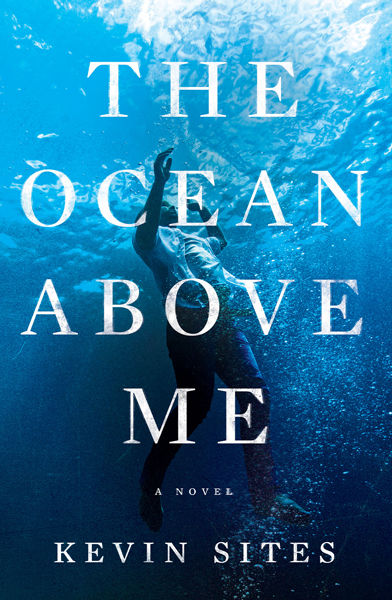
Trapped in a capsized shrimping trawler, a damaged former war correspondent is forced to confront a deadly secret from his past as he struggles to survive in this gripping novel of trauma, loss, love, and redemption from award-winning journalist and author of The Things They Cannot Say Kevin Sites
Former war correspondent Lukas Landon is alone, trapped under 150-feet of water in an overturned shrimp trawler at the bottom of the ocean. The only thing keeping him alive is an air bubble in the ship’s bow. But the water level is rising, and time is running out. Landon doesn’t know if he will survive . . . or if he even deserves to.
After years of covering bloody battles in Afghanistan and Iraq, Landon’s once promising life took a steep nosedive. But he may have found a path to redemption: a series of in-depth stories on the Philomena, the rarest of South Carolina shrimp boats skippered by decorated former army sergeant Clarita Esteban.
A Black woman struggling to survive in a white man’s world, Clarita has assembled a crew of misfits as deeply wounded as herself; a Cuban first mate who came to America during the Mariel boatlift and his troubled younger cousin; a quiet Haitian cook with a secret black book; a deckhand from the ship’s former crew, the only man willing to work for a Black female skipper; and Clarita’s daughter, who lost a college basketball scholarship to an injury.
As Landon slowly earns the disparate crew’s trust, uncovering their pasts—and how each landed aboard this rusty bucket of bolts with its own shaded history—he keeps his own story and the events that unmoored the foundation of his life a secret. But when catastrophe strikes—leaving him twenty-fathoms deep in exquisite isolation—Landon has no one to question but himself. Will he finally come clean? And if he does, will he make it out alive from this 110-ton steel tomb under the sea to finally tell the truth to those who need to hear it?
A thrilling fight for survival and a poignant story of loss and redemption, The Ocean Above Me is a literary masterpiece that explores the effects of trauma, the pain of forgiveness, and the light of love that burns in the darkest depths.
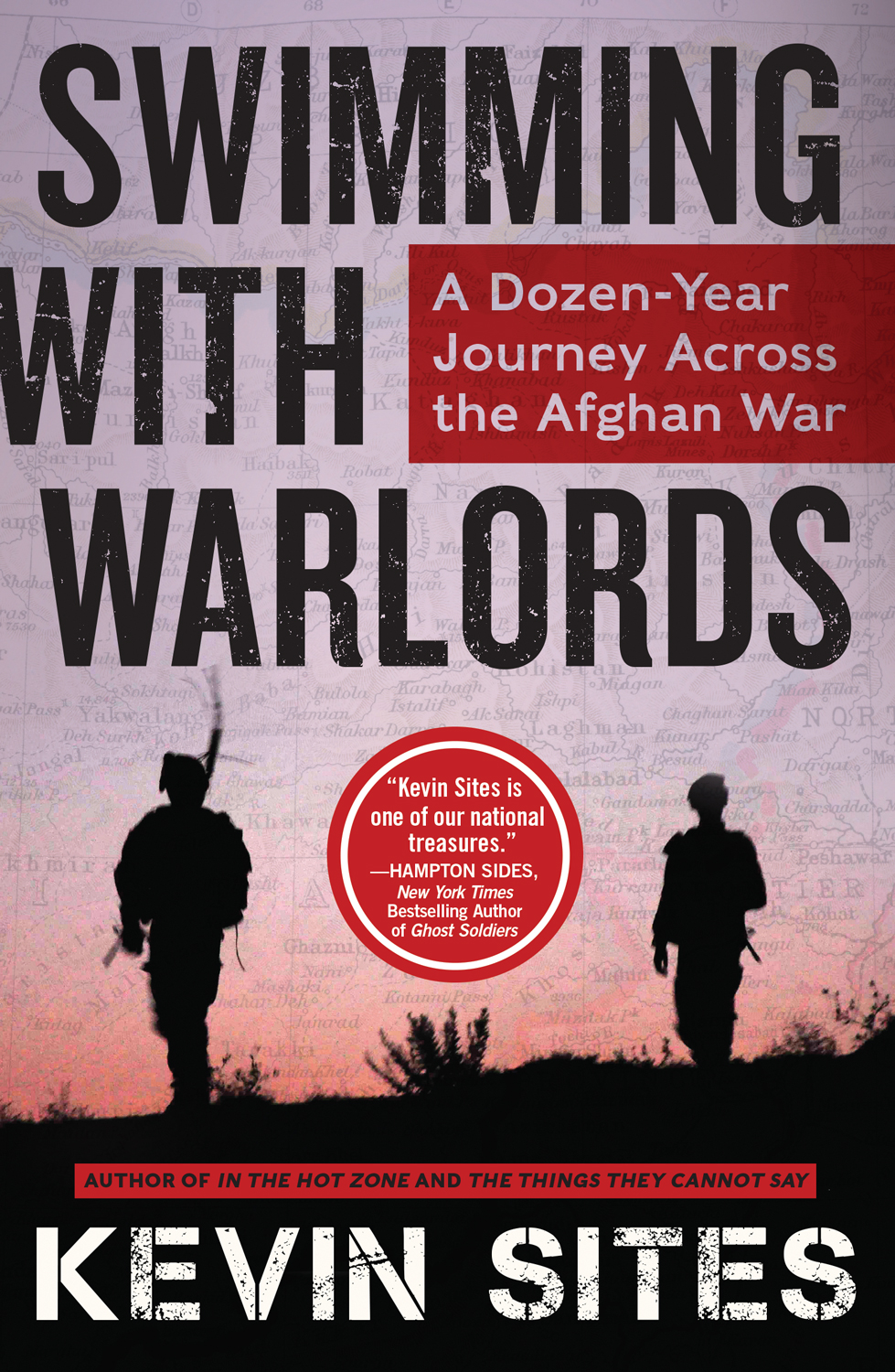
PRAISE FOR SWIMMING WITH WARLORDS, FROM AUTHOR/JOURNALIST KEVIN SITES:
“Kevin Sites is one of our national treasures—a fearless correspondent who has devoted himself to documenting not just the facts of war, but also its deepest emotional textures. Here is a thinking, feeling eyewitness to history who knows the perverse excitement of battle, but who questions every raw experience with plangent curiosity. Read Swimming With Warlords and you will never think of Afghanistan, or America’s ragged entanglements there, in the same way again.”
Hampton Sides, New York Times bestselling author of Ghost Soldiers and In the Kingdom of Ice
“…gripping and poignant.”
Kirkus Reviews
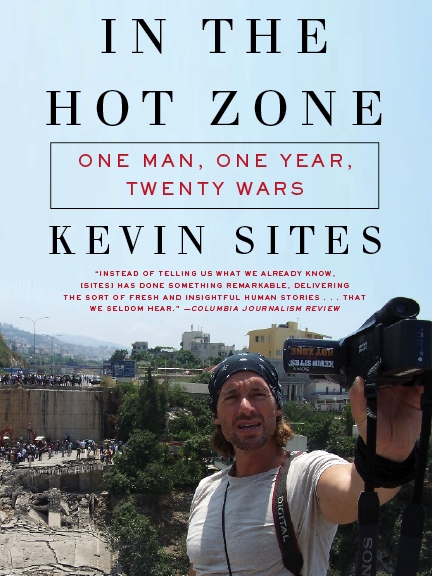
PRAISE FOR IN THE HOT ZONE
“…instead of telling us what we already know, he has done something remarkable, delivering the sort of fresh and insightful human stories from that conflict that we seldom hear. Sites is actually telling us something new.”
Columbia Journalism Review
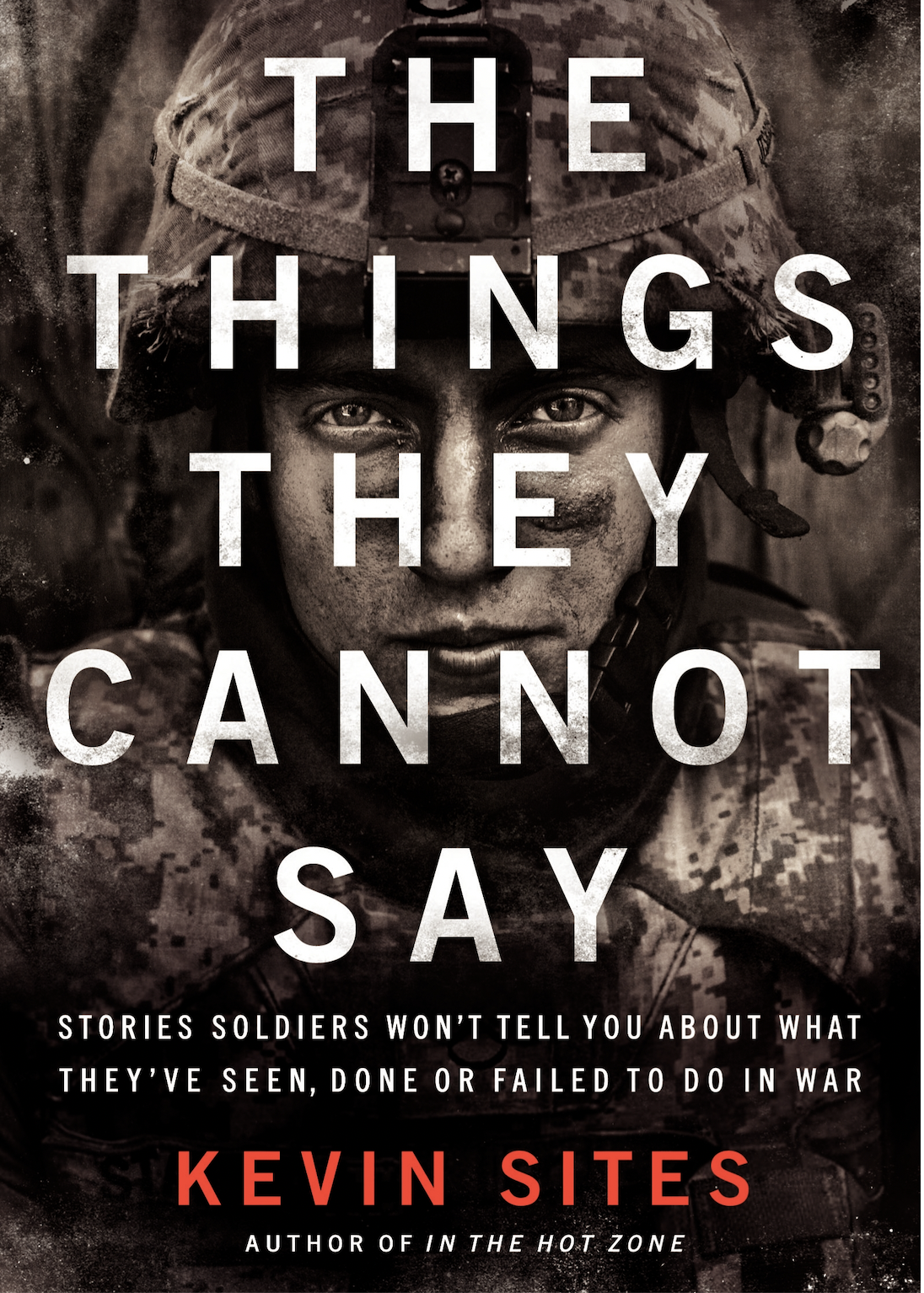
PRAISE FOR THINGS THEY CANNOT SAY
“The book largely does what good books should: whisper secrets to the world.”
San Francisco Chronicle
“The Things They Cannot Say is a vivid set of portraits of modern combatants written with prose that moves with speed and heat.”
Edward Tick, Author, War and the Soul and Co-Director of A Soldier’s Heart
“This powerful book captures a grim reality many soldiers face after combat.”
Business Insider
“Riveting and emotionally raw … These gripping stories … are evidence of a profound desire to heal.”
Publisher’s Weekly
ORDER NOW FROM…







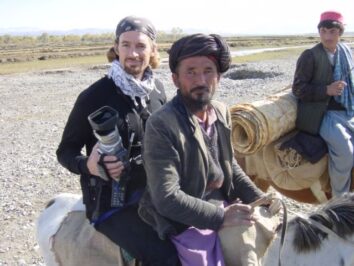
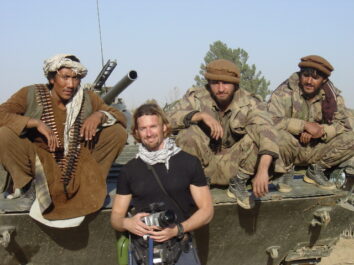
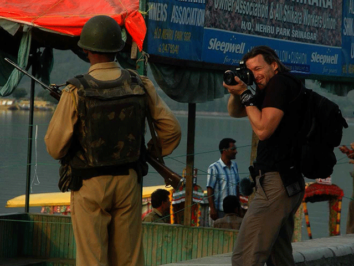
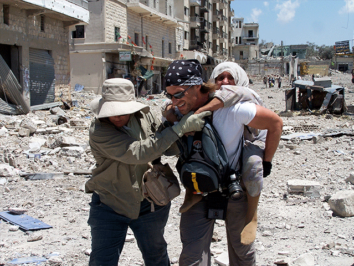
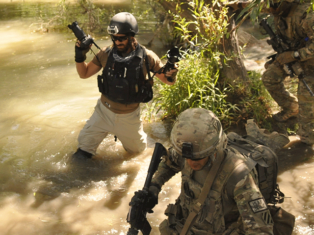
Award-winning journalist and author Kevin Sites is a pioneer in the field of backpack journalism reporting, mostly solo, from 30 different conflicts and natural disasters in the course of his career.
Sites worked as a network news producer and correspondent for ABC, NBC and CNN but left broadcast television in 2005 to become the first Internet correspondent for Yahoo! News.
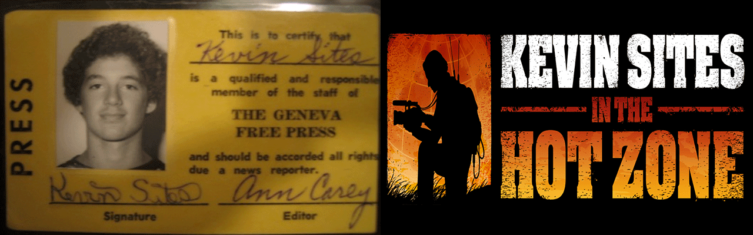
In his ground breaking Hot Zone project, he covered nearly every war in the world in one year earning a dozen awards, including the Wired Rave Award in 2005 and the Daniel Pearl Award for Courage and Integrity in Journalism in 2006.
He’s the author of three non-fiction books on war, all published by Harper Perennial.
These include:
- In the Hot Zone: One Man, One Year, Twenty Wars.
- Swimming with Warlords: A Dozen-Year Journey Across the Afghan War
- The Things They Cannot Say: Stories Soldiers Won’t Tell You About What They’ve Seen, Done or Failed to Do in War
His debut novel, The Ocean Above Me will be published by Harper in summer 2023.
Sites was chosen as a Nieman Journalism Fellow at Harvard University in 2010 and in 2012, was selected as a Dart Fellow in Journalism and Trauma at Columbia University. Northwestern University’s Medill School of Journalism inducted Sites into their Hall of Achievement in 2008.
He lived and worked in Hong Kong as an Associate Professor of Practice at the Journalism and Media Studies Centre at the University of Hong Kong from 2012 until 2022.
He’s been a contributor to many print and online publications including, Vice News, Salon, Aeon, Men’s Health, Wired, Popular Science, Parade, Alert Diver and The Small Wars Journal.

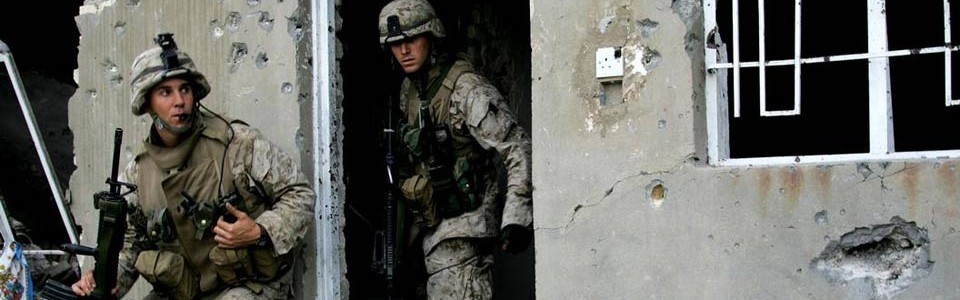
The Unforgiven: How do soldiers live with their guilt
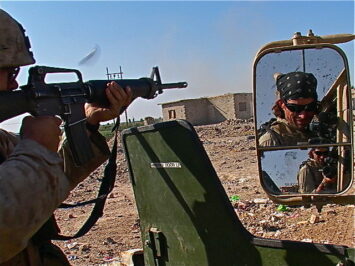
November 2004, against a shattered wall in south Fallujah in Iraq, with video rolling, I conduct a battlefield interview with US Marine Corporal William Wold...
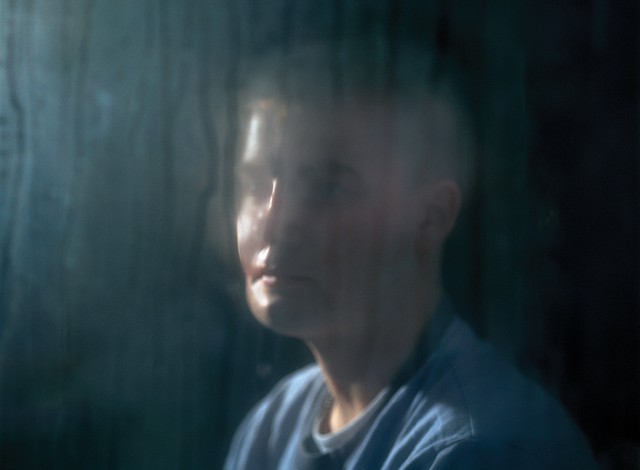
Killing Up Close
William Wold seemed fine initially when he came home from Iraq, according to his mother, Sandi Wold, when I speak to her by telephone seven years after my conversation with her son in Fallujah
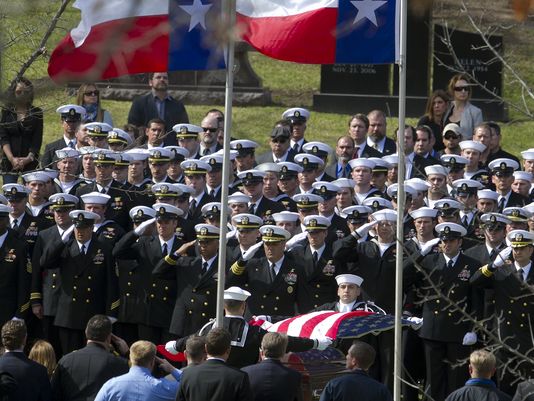
PTSD sufferers are not all ticking time bombs: Column
Eddie Ray Routh, an Iraq War veteran who has been charged in the killings of former Navy SEAL sniper Chris Kyle and another man at a Texas gun range...

Buzz Kill
From wine swilling Greek hoplites to tweaked out NAZI’s on speed, drugs and alcohol have been the most essential psychological weapons in the history of human warfare, both lowering our resistance to killing and helping us to forget it in the aftermath.
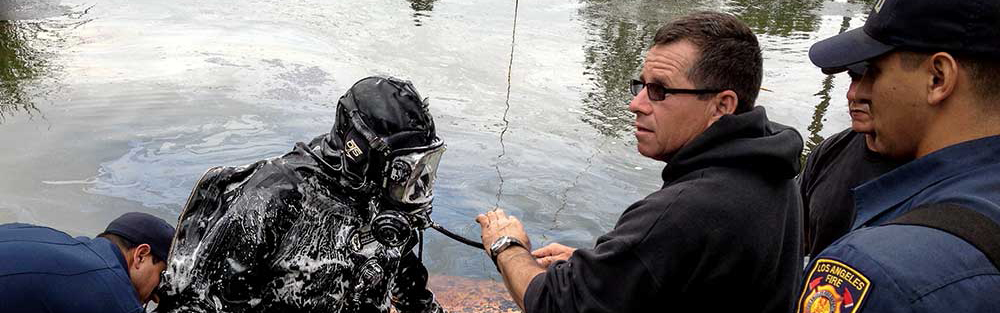
Dark Waters
Police divers descend to new depths for justice.
Sgt. David Mascarenas was stewing in his own sweat inside a Whites hazmat drysuit.

Those Who Face Death
"Do you see how I shoot him? You brother of a bitch. This is not fair. I don't have a sniper rifle. It's not fair." Captain Abdul Khadir hurled epithets and 7.62 rounds...
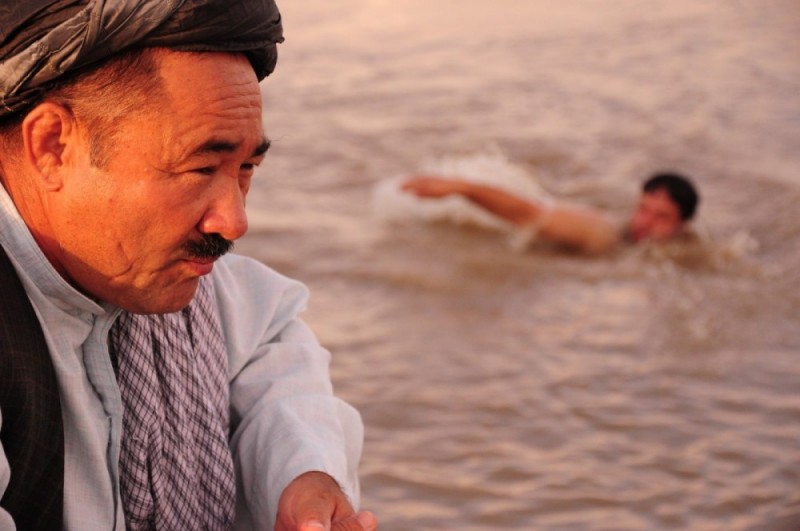
Swimming with Warlords
Under the cover of a moonless night in mid-October 2001, I found myself loading thousands of pounds of camera equipment and supplies onto a giant pontoon boat on the northern bank of the Amu Darya River.
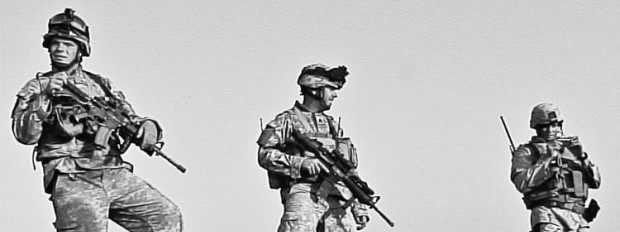
We were the ones who shot them
An Army specialist recounts the horrible story of realizing he's just fired on -- and killed -- fellow Americans
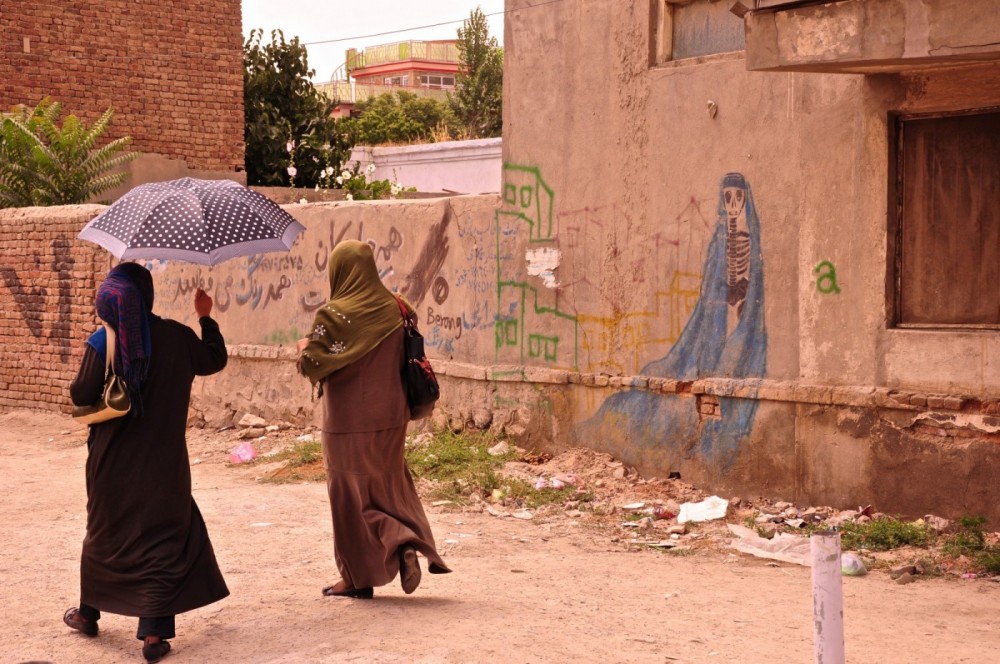
The Former Beauty Queen Lawyering in Afghanistan’s Sharia Courts
Kevin Sites is a war correspondent who VICE and several other major media companies...
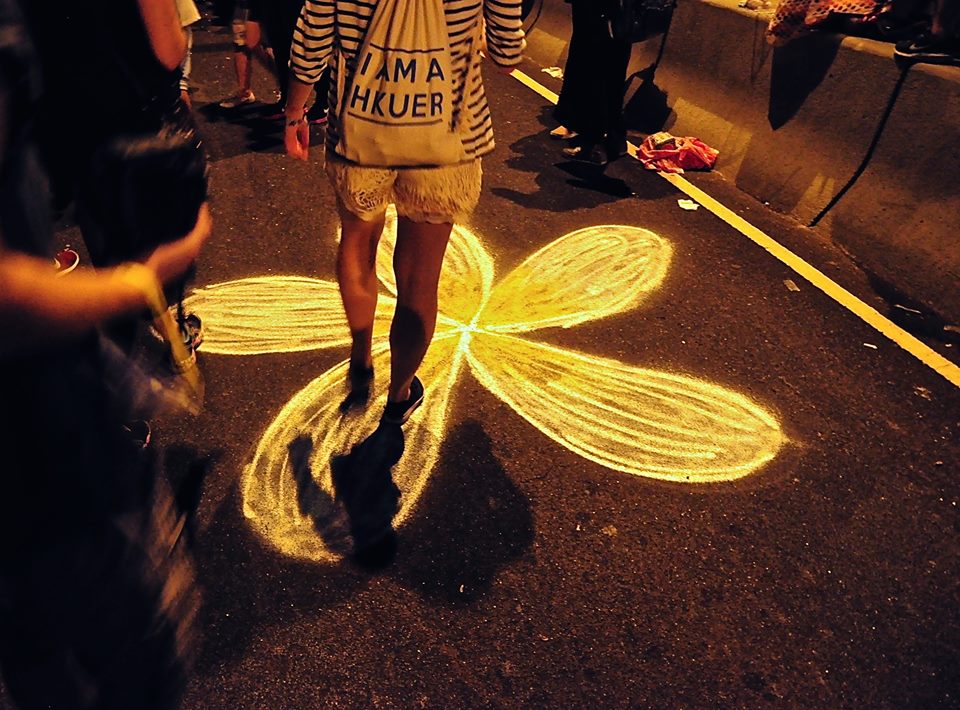
In Hong Kong, Inhibition Turns To Protest
A pro-democracy participant using megaphone to reach a massive crowd in the Admiralty...

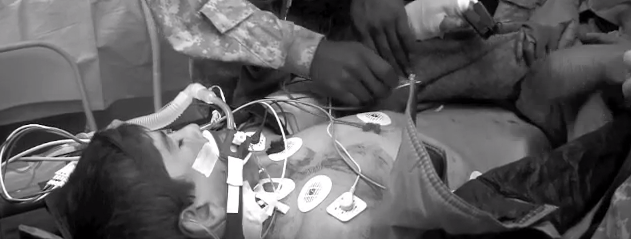
War Docs
GRAPHIC SURGICAL PROCEDURES VISIBLE When a thirteen-year-old Afghan boy named Habibullah caught his arms in a flour mill they were nearly shredded from his body. The only hope to save both his life and limbs were four American military doctors at remote combat...
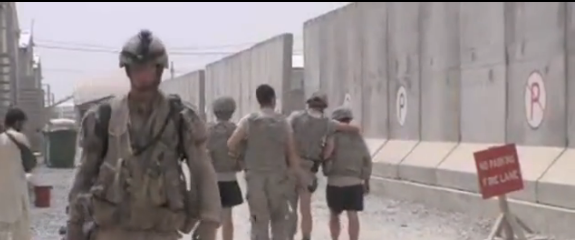
Video: the fighting season
Even before a much-touted fall offensive in Kandahar Province, the United States suffered its deadliest month yet in Afghanistan with 66 Americans killed in July. GlobalPost’s Kevin Sites looks at what U.S. and coalition forces are up against in Afghanistan as the...
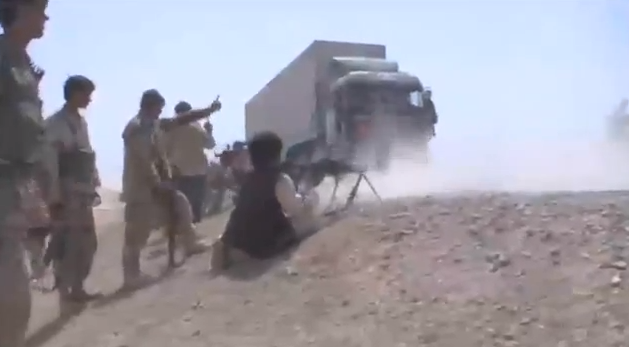
Private Insecurity
Video: Afghan security contractors undermine the U.S. counterinsurgency strategy. KANDAHAR, Afghanistan — When a commercial convoy hauling supplies for U.S. and NATO bases came under attack from Taliban insurgents in the western Zhari district of Afghanistan, the...


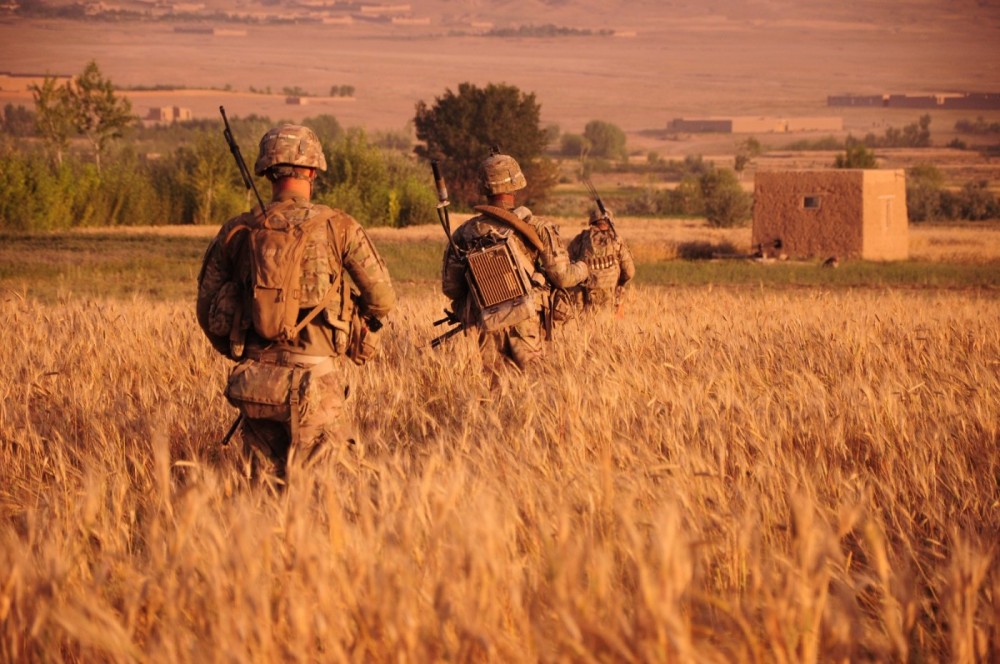


Private Insecurity
Video: Afghan security contractors undermine the U.S. counterinsurgency strategy. KANDAHAR, Afghanistan — When a commercial convoy hauling supplies for U.S. and NATO bases came under attack from Taliban insurgents in the western Zhari district of Afghanistan, the...
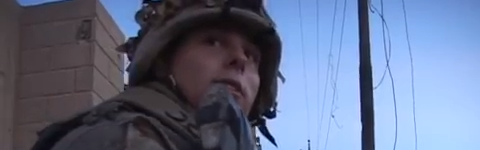
TT-William Wold
EXTREMELY GRAPHIC IMAGES: VIOLENCE, WOUNDED SOLDIERS AND DEAD BODIES. NOT NOT NOT SUITABLE FOR CHILDREN. In The Things They Cannot Say, eleven soldiers and Marines display a rare courage that transcends battlefield heroics -- they share the truth about their wars. For...
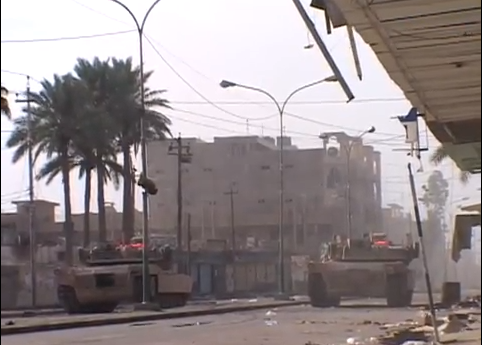
TT: Elizabeth Street (Operation Phantom Fury, Fallujah, Iraq (Nov.2004)
VERY GRAPHIC IMAGES: VIOLENCE, WOUNDED SOLDIERS AND DEAD BODIES. NOT NOT NOT SUITABLE FOR CHILDREN. In The Things They Cannot Say, eleven soldiers and Marines display a rare courage that transcends battlefield heroics -- they share the truth about their wars. For each...
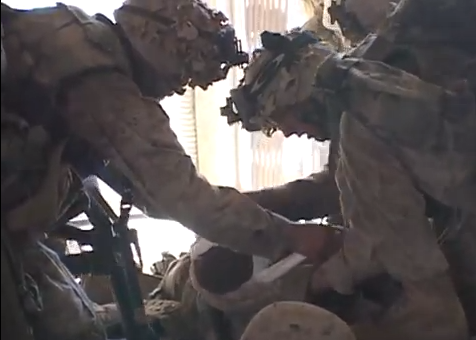
TT-James Sperry
GRAPHIC IMAGES: VIOLENCE, WOUNDED SOLDIERS AND DEAD BODIES. NOT NOT NOT SUITABLE FOR CHILDREN. In The Things They Cannot Say, eleven soldiers and Marines display a rare courage that transcends battlefield heroics -- they share the truth about their wars. For each of...
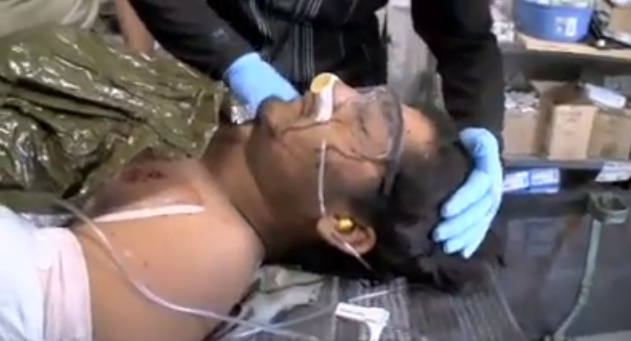
Tourniquet? Combat Aid Station Clip 1
At the table with the patient with the leg wound, Staff Sgt. Ben Swob, part of the newly arrived group notices the injury site is beginning to bleed again—heavily. He decides, unilaterally, to apply a second tourniquet just above the first. The Afghan man, sedated...
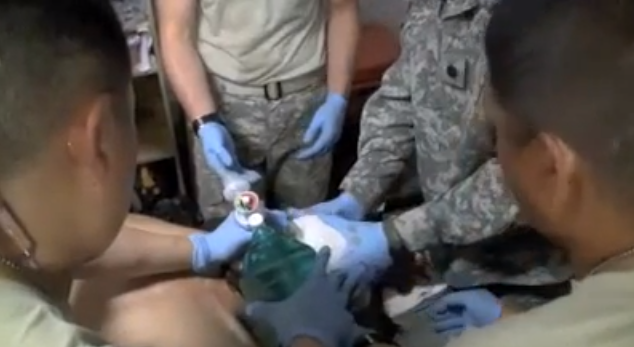
Three Critically Wounded- Combat Aid Station Clip 2
WARNING: SOME GRAPHIC MEDICAL PROCEDURES DEPICTED U.S. Combat Medics mostly from 3.2 Cavalry and newly deployed to Afghanistan, surround the gurneys, five or six per victim, as if they were hungry animals at a feeding trough. Each renders a service; ventilating with a...
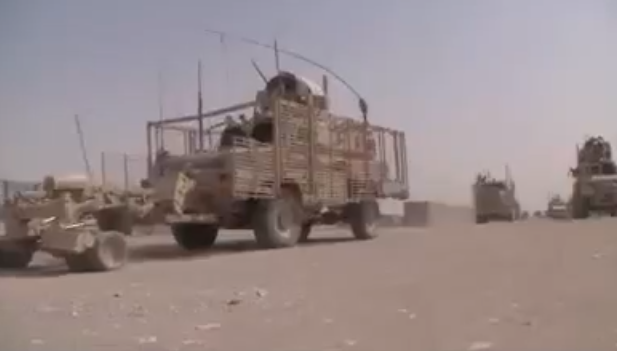
Robots Clip 1
After six hours on the road, Afghan National Army soldiers wave down the convoy and tell them about what they believe is a bomb in an abandoned building near the roadside. Staff Sgt. William Cook, a from Waynesville, Missouri -- goes to work. Cook is the unit's BIP or...
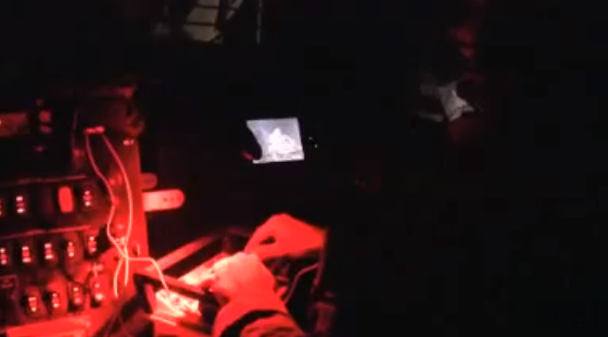
Robots Clip 2
After six hours on the road, Afghan National Army soldiers wave down the convoy and tell them about what they believe is a bomb in an abandoned building near the roadside. Staff Sgt. William Cook, a from Waynesville, Missouri -- goes to work. Cook is the unit's BIP or...
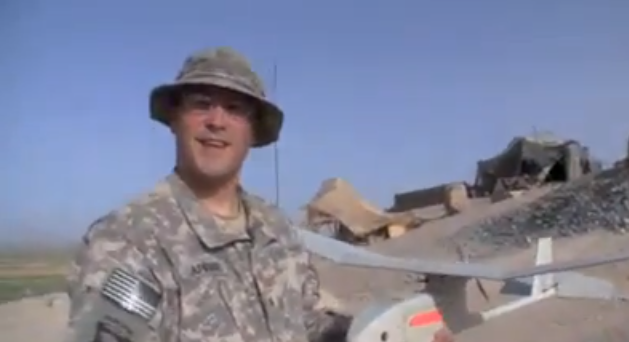
Raven
In Afghanistan, war is increasingly waged by robots, unmanned aircraft and remote control. In this video a soldier based at Ghundy Gar, a dusty hillside combat outpost in the Zhari district of western Afghanistan, launches the Raven, a remote-controlled surveillance...
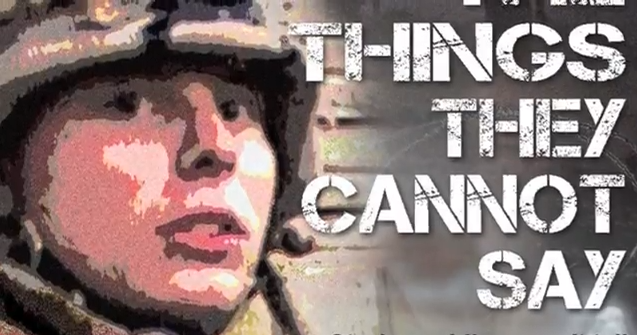
The Things They Cannot Say (Trailer)
In The Things They Cannot Say, eleven soldiers and Marines display a rare courage that transcends battlefield heroics -- they share the truth about their wars. For each of them it means something different: one struggles to recover from a head injury he believes has...
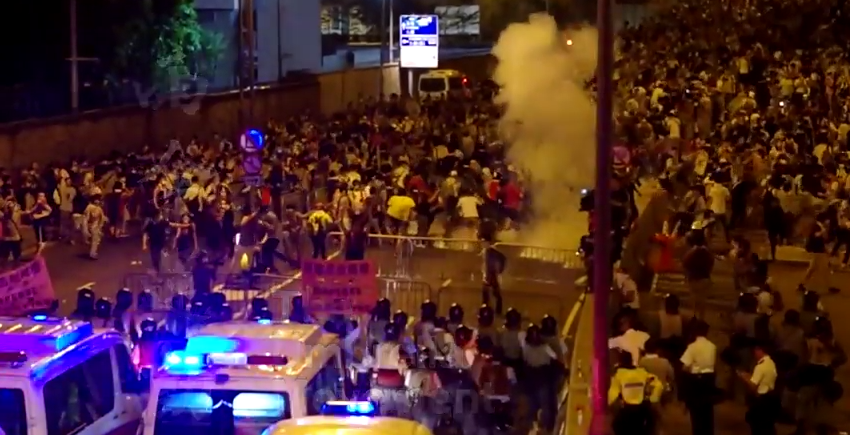
The Umbrella Movement
MSNBC.com’s exclusive feature-length documentary “The Umbrella Movement” reflects on the hopes, clashes, symbols, guardians, memories and frustrations of Hong Kong’s pro-democracy protests with commentary by President of the Legislative Council Jasper...


Business Insider: This Powerful Book Captures A Grim Reality Many Soldiers Face After Combat
On the streets of Fallujah, Iraq in 2004, veteran journalist Kevin Sites interviewed William Wold (Video link, starts at 23:00), a young Marine emotionally charged from combat, who had killed six insurgents just moments before relating his experiences. Sites' candid...
San Francisco Chronicle: ‘The Things They Cannot Say’
Stories Soldiers Won't Tell You About What They've Seen, Done or Failed to Do in War By Kevin Sites (Harper Perennial; 295 pages; $15.99 paperback) When soldiers discuss their experiences at war, they often talk of a breaking point - the first time they pulled the...
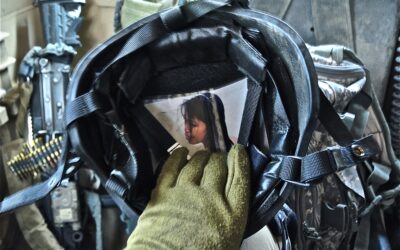
KPCC: ‘The Things They Cannot Say’: Inside the secret world of soldiers
There are some stories soldiers don't share when they return home, because of shame or anger, because they are afraid of what others may think of them, or sometimes just because no one asks. Writer Kevin Sites has collected such stories in his new book "The...
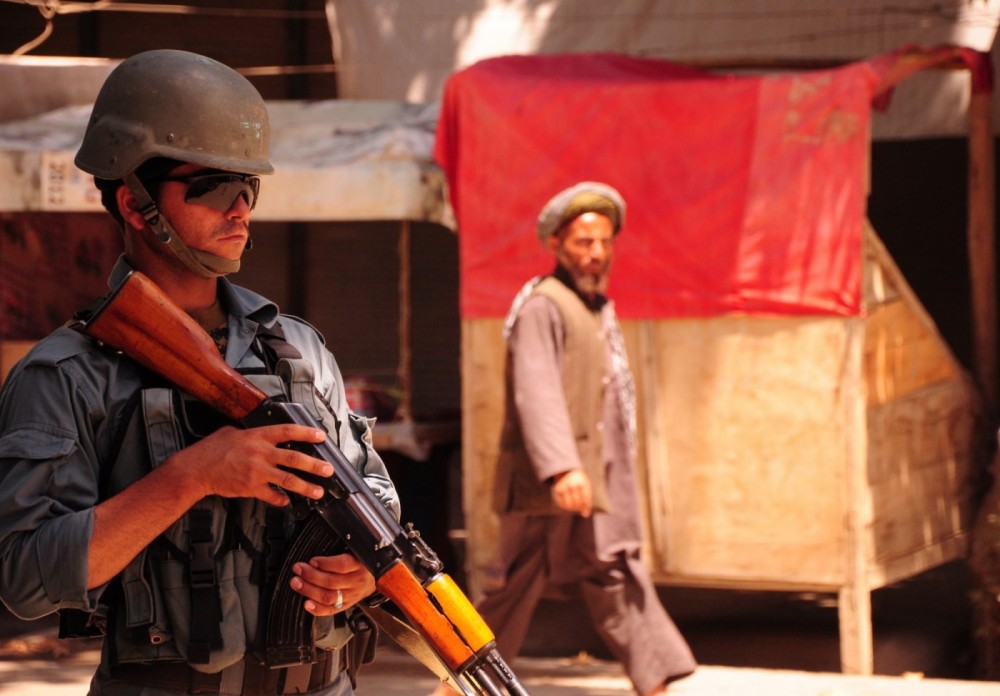
NPR: When U.S. Leaves After 12 Years, What’s Next For Afghanistan?
Journalist Kevin Sites reported from Afghanistan when the United States invaded in 2001, and he has been back a handful of times. With U.S. and NATO troops scheduled to withdraw next year, Sites calls the American legacy "a paradox." While many Afghans appreciate...
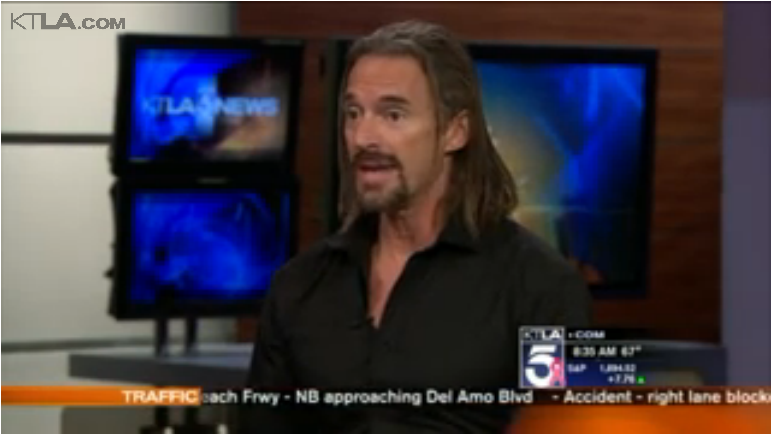
KTLA: Kevin Sites on His New Book ‘Swimming With Warlords
Author and Producer Kevin Sites and his new book Swimming With Warlords: A Dozen Year Journey Across the Afghan War Award-winning backpack journalist and author Kevin Sites traded a high profile career as a network news producer and correspondent (ABC, NBC, CNN) to...
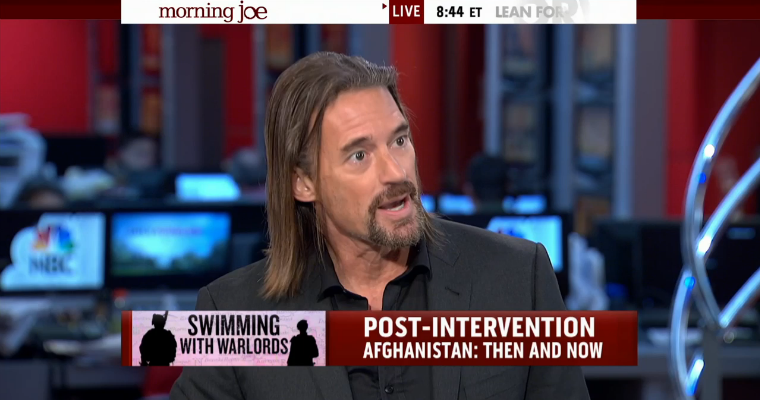
MSNBC: A return to Afghanistan 10 years later
Journalist Kevin Sites joins Morning Joe to discuss his new book "Swimming with Warlords," which finds him returning to Afghanistan 10 years after his first visit in 2001.
LITERARY REPRESENTATION:
Michael Signorelli
Aevitas Creative Management
19 West 21st Street, Suite 501
New York, New York 10010
(914) 450-4731
aevitascreative.com
EMAIL:
swimmingwithwarlords@gmail.com
thingstheycannotsay@gmail.com
WEBSITES:
Kevin Sites Reports
http://www.kevinsitesreports.com/
Kevin Sites Writes
http://www.kevinsiteswrites.com/
YouTube CHANNELS:
Kevin Sites
Video reporting from Iraq, Afghanistan and other conflicts.
People of the Web
Stories of the most interesting people on the web
A World of Conflict
Feature length documentary, companion to book, In the Hot Zone
Facebook:
https://www.facebook.com/kevinsites
Twitter:
https://twitter.com/kevinsites
Google Plus:
https://plus.google.com/u/0/+KevinSites/
Flickr:
https://www.flickr.com/photos/hotzone/with/221519744/
LITERARY REPRESENTATION:
Michael Signorelli
Aevitas Creative Management
19 West 21st Street, Suite 501
New York, New York 10010
(914) 450-4731
aevitascreative.com
EMAIL:
swimmingwithwarlords@gmail.com
thingstheycannotsay@gmail.com
WEBSITES:
Kevin Sites Reports
http://www.kevinsitesreports.com/
Kevin Sites Writes
http://www.kevinsiteswrites.com/
YouTube CHANNELS:
Kevin Sites
Video reporting from Iraq, Afghanistan and other conflicts.
People of the Web
Stories of the most interesting people on the web
A World of Conflict
Feature length documentary, companion to book, In the Hot Zone
Facebook:
https://www.facebook.com/kevinsites
Twitter:
https://twitter.com/kevinsites
Google Plus:
https://plus.google.com/u/0/+KevinSites/
Flickr:
https://www.flickr.com/photos/hotzone/with/221519744/